What is the difference between the Paleolithic and Neolithic ages? The transition from the Paleolithic Age to the Neolithic Age marked a profound shift in human history. Though connected by the continuous development of human culture and technology, these two periods exhibit striking differences in how people lived, sourced food, and interacted with their environment. Understanding these distinctions offers valuable insights into the evolution of human society.
What Is the Difference Between the Paleolithic and Neolithic Ages?
Time Frames and Environmental Impact
The Paleolithic Age, often referred to as the Old Stone Age, spanned from about 2.5 million to 8000 BCE. This era was characterized by a nomadic lifestyle as humans relied on hunting and gathering as their primary means of sustenance. In contrast, the Neolithic Age, or the New Stone Age, lasted from approximately 8000 to 3000 BCE. This period saw the advent of agriculture, fundamentally altering human society.
One reason for the varied timelines across different regions is the influence of climate and geography. Different areas experienced the shift from the Paleolithic to the Neolithic Age at different times, depending on their unique environmental conditions. For instance, regions with favorable climates could adopt farming practices earlier, accelerating the transition to the Neolithic way of life.
Food Sourcing and Settlement Patterns
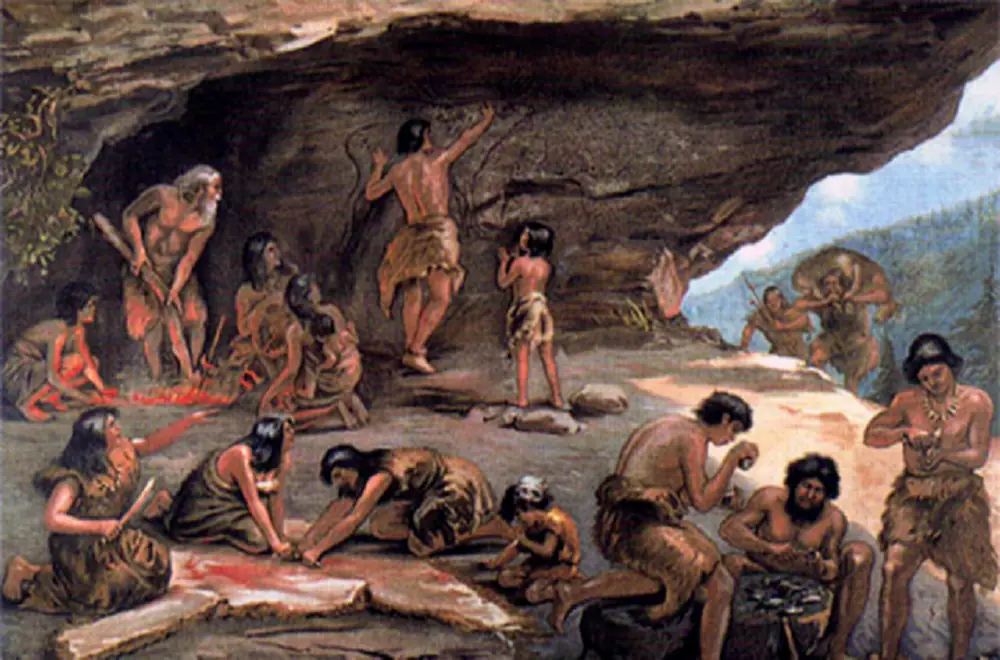
The most significant difference between the Paleolithic and Neolithic Ages is how people sourced food. During the Paleolithic Age, humans were hunter-gatherers, constantly moving in search of food. Their diet consisted largely of wild animals, nuts, berries, and other edible plants they could find. This nomadic lifestyle required them to move frequently, following the animals’ migration patterns and the plants’ seasonal availability.
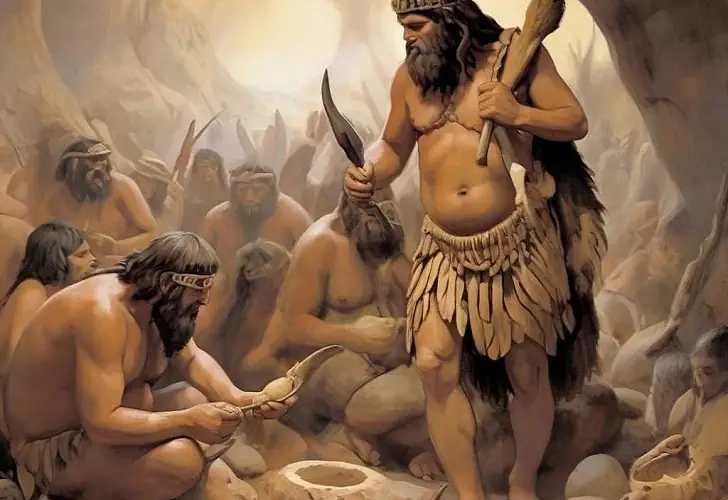
In the Neolithic Age, the discovery and gradual adoption of agriculture transformed human society. People began cultivating land, growing crops like wheat and barley, and domesticating animals such as cattle, sheep, and goats. This shift allowed humans to settle in one place, giving rise to permanent villages and the development of more complex social structures. Farming provided a reliable food source, reducing the need for constant movement and enabling population growth.
Physical and Social Changes
The shift from a nomadic to a settled lifestyle also brought about physical changes in human populations. In the Neolithic Age, women tended to have more children, largely due to the stability provided by settled life and consistent food supplies. The sedentary lifestyle led to a decline in overall health compared to the Paleolithic Age, where people were generally taller and had longer life expectancies.
This physical transformation was accompanied by significant social changes. The development of farming and the ability to produce surplus food led to the emergence of social hierarchies and the division of labor. In contrast, Paleolithic societies were more egalitarian, with fewer distinctions based on wealth or status.
Technology and Cultural Practices
Despite these differences, there were notable similarities in the tools and cultural practices of the Paleolithic and Neolithic periods. In both eras, humans created tools from stone, wood, and bone, although the complexity and specialization of these tools increased over time. For example, the Neolithic Age saw the development of polished stone tools that were more efficient and durable than the chipped stone tools of the Paleolithic Age.

Culturally, both periods relied on art and symbolism to record their experiences and beliefs. Paleolithic art is best represented by cave paintings depicting animals and hunting scenes, which may have held spiritual or ritual significance. Similarly, Neolithic art included pottery, sculptures, and more advanced forms of decoration, reflecting the increasing complexity of human societies.
In both ages, clothing evolved as a necessity, though it also served as a form of expression and identity. Paleolithic people wore simple garments made from animal hides, while Neolithic people developed weaving techniques, allowing them to create more sophisticated clothing from plant fibers.
From Hunter-Gatherers to Farmers
The transition from the Paleolithic to the Neolithic Age represents one of human history’s most significant turning points. The move from a nomadic, hunter-gatherer lifestyle to a settled, agricultural society laid the foundation for modern civilization. While the Paleolithic Age set the stage for human survival and adaptation, the Neolithic Age introduced innovations that would shape the course of human development for millennia.