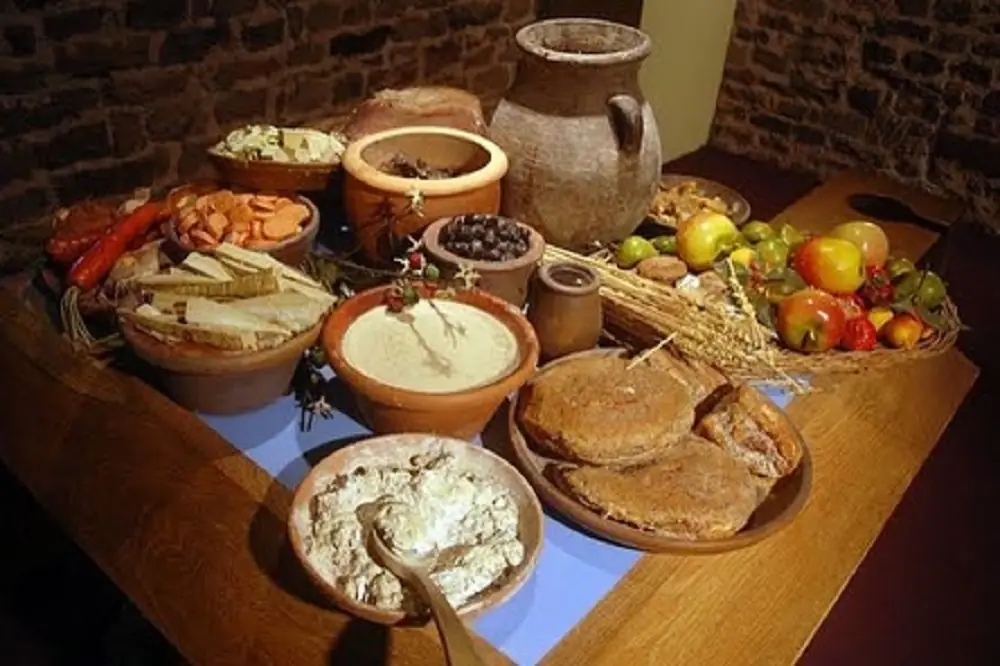
The ancient Roman diet blended practicality, availability, and ingenuity, forming the nutritional backbone of one of history’s most enduring civilizations. Grounded in cereals and legumes, their diet offered the calories and nutrients needed to fuel both everyday life and military campaigns. Archaeological findings and historical texts reveal a comprehensive food system that balanced staple crops with diverse, albeit seasonal, supplements.
The Role of Cereals and Legumes in Sustaining Rome
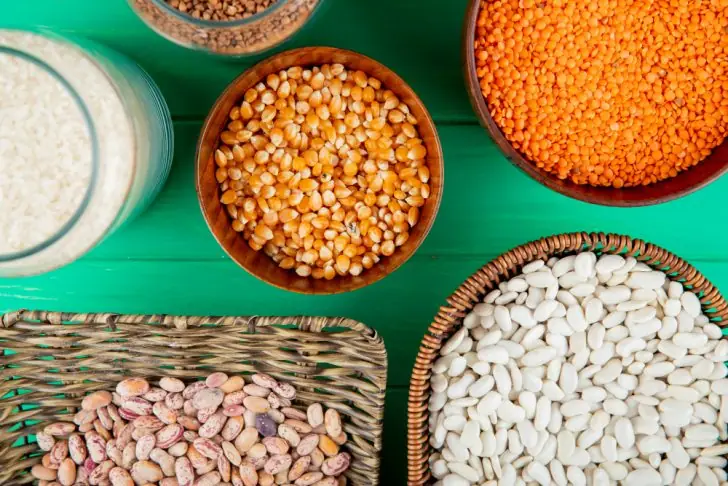
Cereals and legumes were the cornerstones of the Roman diet, providing a substantial share of their caloric and nutritional intake. Wheat and barley, the primary cereals, were often consumed as bread or porridge. Lentils, chickpeas, and beans supplied protein, calcium, and iron, forming a nutrient-dense pairing with cereals. These staples met essential needs but lacked vitamins A, C, and D, which the Romans sourced through fruits, vegetables, and sun exposure.
Seasonal Fruits and Vegetables Complemented Staples
The Romans enjoyed various fruits and vegetables dictated by seasonal availability. Grapes, figs, apples, and olives were common, alongside leafy greens, onions, and garlic. These items supplemented their core diet, offering vital vitamins and minerals. The use of fresh produce likely varied by region and socioeconomic class, with wealthier Romans enjoying greater variety.
How Meat and Fish Fit Into the Diet
Meat and fish were dietary luxuries, often reserved for the upper classes. Beef, pork, and lamb were consumed occasionally, while salted fish or garum—a fermented fish sauce—was more widely accessible. Fish and seafood were especially prevalent in coastal areas, adding iodine and omega-3 fatty acids to the diet. For the general population, meat was more likely to be an occasional treat than a regular component of meals.
Spices, Sauces, and Fermentation Enhanced Meals
Spices, herbs, and sauces transformed simple ingredients into flavorful meals. Fermented fish sauces like garum, vinegar, and honey were staples of Roman cuisine. These condiments added depth to dishes and helped preserve certain foods. The variety of spices used also hints at Rome’s expansive trade networks, with items like pepper and cinnamon imported from far-flung regions.

Socioeconomic Impact on Dietary Diversity
Dietary experience varied widely among social classes. Wealthier Romans indulged in exotic foods, imported wines, and multi-course feasts, reflecting their resource access. Conversely, lower classes subsisted largely on cereals, legumes, and locally available produce. Archaeological evidence from ancient trash heaps reveals these disparities, showing the remnants of meals likely consumed by different segments of society.
Nutritional Insights from the Roman Diet
From a nutritional standpoint, the ancient Roman diet met many basic needs, particularly regarding calories and essential minerals. However, it was relatively low in sugar and sodium compared to modern diets. The heavy reliance on cereals provided a dependable energy source, while the inclusion of legumes offset deficiencies in amino acids. Vitamin D levels were likely supplemented by ample sun exposure, vital for bone health and immune function.
Seasonal Availability Shaped Eating Habits
Roman cuisine heavily depended on seasonal and regional factors, as refrigeration and preservation methods were limited. Foods like fruits and leafy greens were consumed fresh when in season, while grains and legumes were stored for long-term use. This practical approach ensured food security, even in lean times. Some preservation techniques, like drying and fermenting, extended the shelf life of perishable items, showcasing Roman ingenuity in food storage.
Culinary Practices and Their Legacy
Roman cooking techniques were practical yet sophisticated, emphasizing resourcefulness. They often combined ingredients like olive oil, honey, and herbs to create balanced and nutritious meals. The influence of Roman culinary traditions is evident in modern Mediterranean diets, which echo the Romans’ reliance on olive oil, grains, and fresh produce.