Though the story of human evolution started seven million years ago, the lengthy processes that led to it actually began 65 million years ago when a giant asteroid hit the earth. The hit was so massive that layers of dust were kicked all over the place, settling worldwide. Today, part of that layer can be found in sedimentary rocks. The older part of that later became fossils of things such as pterosaurs, plesiosaurs, ichthyosaurs, and of course, dinosaurs. But where did humans fit in?
Primate Diversification
Two million years later, the primates began to diversify, splitting into two groups. There were the haplorhines, also known as the dry-nosed primates strepsirrhines, known as the wet-nosed primates. The former developed into modern apes and monkeys, while the latter developed into aye-ayes and lemurs. A few million years later, the haplorhines again split to form the tarsier, which had large eyes adapted to see at night. The tarsier was the first of its kind to diverge from the lineage of the mammals that later became apes, monkeys, and eventually modern humans.
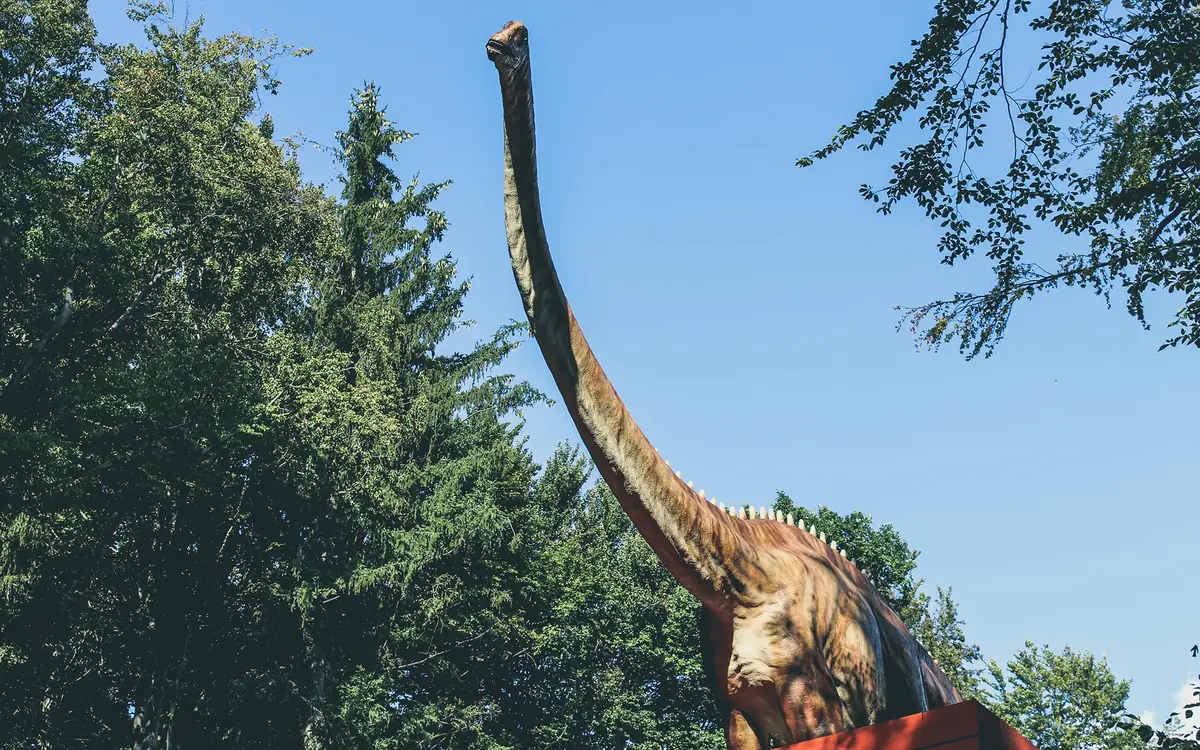
Dinosaurs were part of the old layers spread all over the place when the asteroid hit the planet Photo by Creative Vix from Pexels
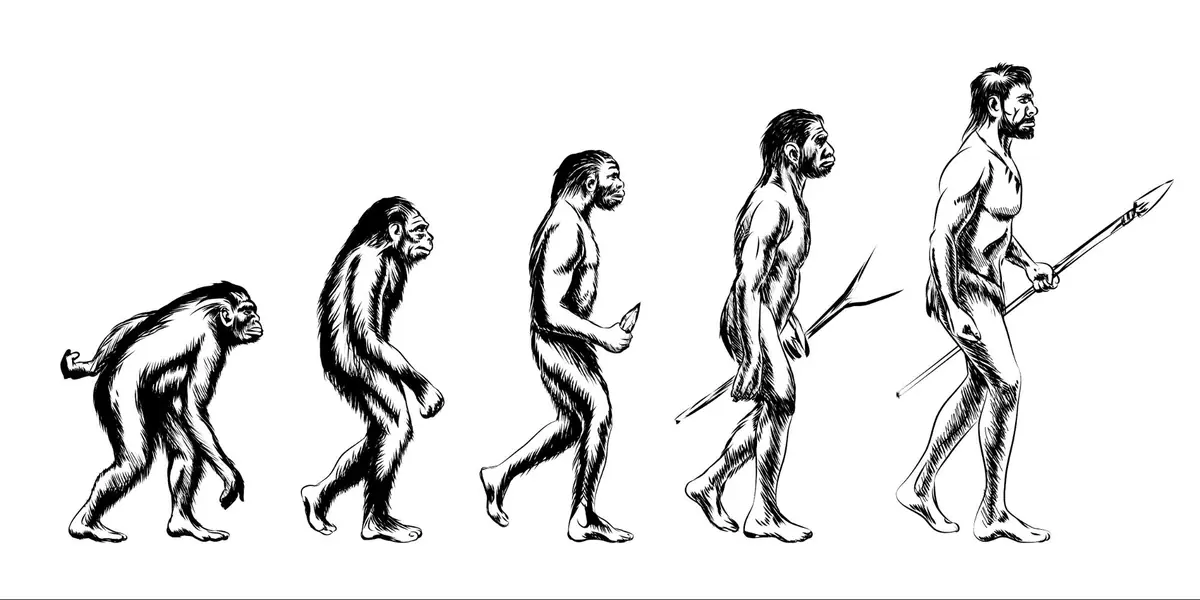
After the gorillas branched away from the other great apes, the remaining part of the great apes split into two. One gave rise to chimpanzees and bonobos, and the other branched into human ancestors. About 5.6 million years ago, Ardipithecus, the first truly bipedal ape, rose, giving rise to Australopithecines. These evolved into the first members of the Hominina. At this point, evolutionary changes occurred to adapt to the types of food available after a food shortage crisis. While some parts of the group were able to adapt, some couldn’t and so were eradicated, leaving behind the larger-brained group, which later evolved into Homo habilis.
Gorillas were part of the great apes Photo by Gratisography from Pexels
Homo erectus came about 1.9 million years ago and were the first human ancestor to leave Africa. Then came Homo antecessors in Europe, and others in the Middle East and South Asia, followed by Homo heidelbergensis. Approximately 300,000 years ago, evidence of Homo sapiens was found in Morocco, suggesting that humans did not originate only from East Africa.
They continued evolving into new species, and at a time, the planet was inhabited by other species such as Neanderthals.
Fossils are still being discovered up till today Photo by Marcus Lange from Pexels
Years later, sophisticated technologies made from stones, bones, and shells began to emerge. Decorations and ornaments were made with needles and ochre, and religion arose for humans. With time, the Neanderthals and other species vanished totally, leaving behind modern humans who took over the planet, leaving us with what we have today.