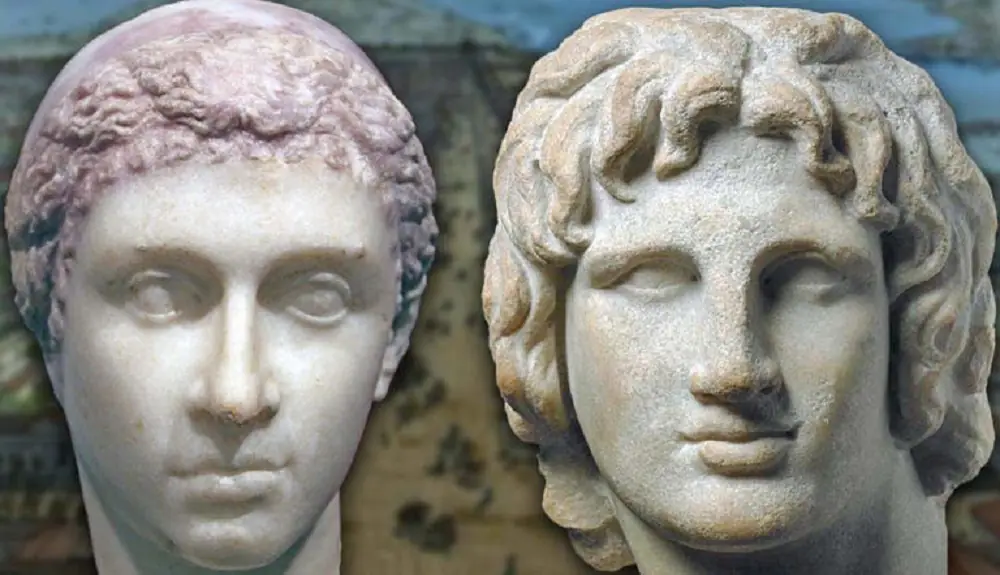
Cleopatra and Alexander the Great are two of history’s most iconic figures, but their connection is often misunderstood. Cleopatra VII Philopator, the last Pharaoh of Egypt, was not a direct descendant of Alexander the Great. Instead, her lineage traces back to Ptolemy I Soter, one of Alexander’s most trusted generals.
Cleopatra Was Not a Descendant of Alexander the Great
Cleopatra VII, the renowned Queen of Egypt, did not descend directly from Alexander the Great. Her ancestry is linked to Ptolemy I Soter, a general under Alexander who took control of Egypt after Alexander died in 323 BCE. Ptolemy founded the Ptolemaic dynasty, which ruled Egypt for nearly 300 years. This dynasty maintained a strong Hellenistic culture in Egypt, blending Greek and Egyptian traditions.
Some sources suggest that Ptolemy might have been the son of Arsinoe and Philip II, making him Alexander’s half-brother. However, this claim is largely considered a myth designed to enhance Ptolemy’s legitimacy and prestige.
Cleopatra’s Ptolemaic Heritage
As a member of the Ptolemaic dynasty, Cleopatra was a direct descendant of Ptolemy I Soter. Born in 69 BCE to Ptolemy XII Auletes, Cleopatra’s lineage was thoroughly Greek Macedonian. Like many Hellenistic dynasties, her family intermarried to preserve their Greek heritage and royal status. They predominantly resided in Alexandria, the vibrant cultural hub established by Alexander the Great.
Cleopatra was notable for her intelligence and multilingual abilities. Unlike her predecessors, she learned to speak Egyptian and several other languages, which helped her connect with her subjects and solidify her rule.
The Last Ruler of Ptolemaic Egypt
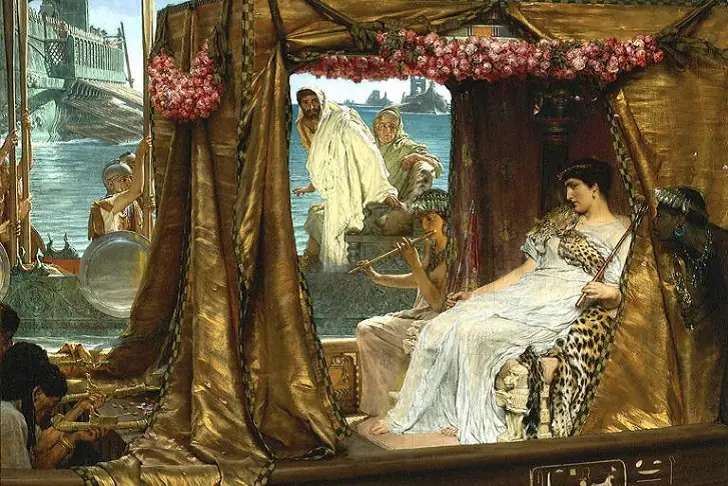
Under Cleopatra’s rule, the Ptolemaic kingdom faced significant challenges, particularly from the rising power of Rome. Cleopatra’s political acumen was evident in her alliances with Julius Caesar and later Mark Antony. These alliances were strategic moves to secure her position and the independence of Egypt.
Cleopatra’s relationship with Julius Caesar began after she famously smuggled herself into his presence wrapped in a carpet. Their alliance resulted in the birth of their son, Caesarion. After Caesar’s assassination, Cleopatra allied with Mark Antony, with whom she had three children. Their union was romantic and political, aimed at consolidating power against Rome’s expanding influence.
The defeat of Cleopatra and Antony at the Battle of Actium in 31 BCE marked the end of Ptolemaic rule. Following their defeat, Cleopatra and Antony committed suicide, and Egypt was annexed as a province of the Roman Empire. Cleopatra’s death marked the end of an era, but her legacy and the cultural influences of her reign persisted.
Part of Alexander the Great’s Legacy
Although Cleopatra was not a direct descendant of Alexander the Great, her reign and the Ptolemaic dynasty were undeniably shaped by his legacy. Alexander’s conquests had established a new world order, where Greek culture and language spread across his conquered territories. The Ptolemies, including Cleopatra, ruled over a kingdom that was a testament to the Hellenistic world Alexander had envisioned.
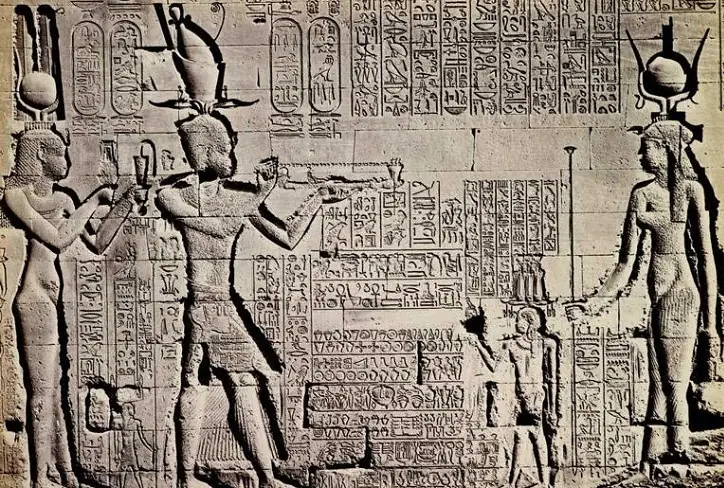
Alexandria, the Ptolemaic capital, became a center of learning and culture, housing the famous Library of Alexandria. This city symbolized the fusion of Greek and Egyptian cultures, directly resulting from Alexander’s conquests. Cleopatra’s ability to speak multiple languages and her engagement in Egyptian traditions reflected the complex cultural dynamics of her reign.
Cleopatra’s story is a vivid chapter in the larger narrative of Alexander the Great’s legacy. Her attempts to maintain her kingdom’s independence against Roman encroachment, her strategic alliances, and her ultimate downfall all highlight the enduring impact of the Hellenistic period initiated by Alexander’s conquests.