7. Avebury, Wiltshire
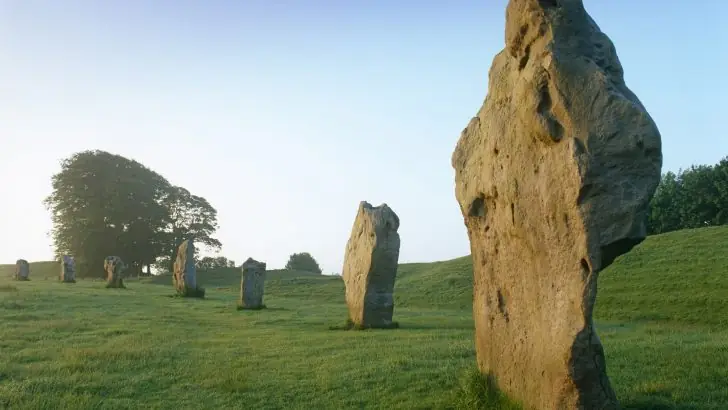
Avebury is a Neolithic henge monument near the village of Avebury in Wiltshire. It consists of a large stone circle surrounded by two smaller circles and numerous standing stones. Thus, this site offers visitors an insight into Britain’s distant past. It dates back to around 3000 BC.
Visitors can explore the various stones that make up this ancient structure and marvel at the scale of its construction. Thus, it was one of the largest monuments ever built during Prehistoric times.
6. Stonehenge, Wiltshire
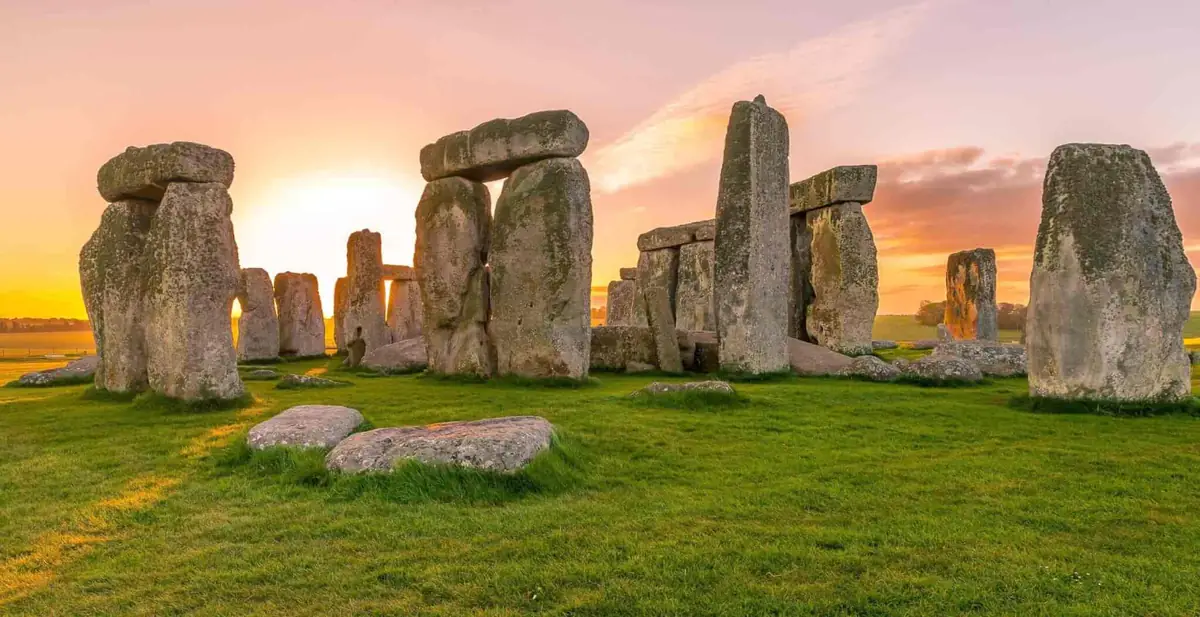
Stonehenge is one of Britain’s most iconic sites and a must-visit for anyone interested in Prehistoric Britain. This Neolithic monument consists of concentric circles of standing stones erected between 3000 and 2000 BC. However, there are still many questions surrounding its purpose and construction.
Thus, visitors can admire these massive stones. And, of course, learn more about the theories surrounding this mysterious monument.
5. Silbury Hill, Wiltshire
Next up: Silbury Hill is a prehistoric artificial chalk mound located close to Avebury in Wiltshire. It stands over 130 feet tall and is believed to have been constructed around 2500 BC. Thus, making it the largest man-made mound in Europe. However, the purpose of this mysterious structure is still unknown. But it is thought to have had some kind of religious significance.
Today, visitors can explore the various paths that lead up to its peak and take in the beautiful views of Wiltshire’s rolling hills from the top.
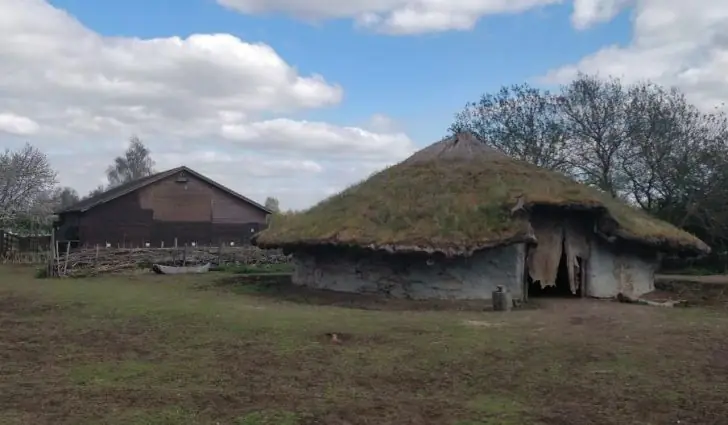
4. Flag Fen, Cambridgeshire
Flag Fen is an archaeological site located in Peterborough, Cambridgeshire. This Bronze Age landscape was discovered in 1982 and contains evidence of ancient farming practices and a network of wooden posts dating back to between 1000 – 800 BC.
However, reports suggest that it was once a ritual center used for religious activities. Today, it is open to visitors who can explore its many paths and discover its secrets for themselves.
3. Windmill Hill Causewayed Enclosure, Wiltshire
Windmill Hill is an ancient causewayed enclosure located near Avebury in Wiltshire. This Neolithic site consists of three separate earthworks that were constructed between 3700 – 3300 BC. And form a network of ditches and banks around the hilltop.
Thus, visitors can explore these mysterious earthworks. Or, take a leisurely walk around them to learn more about their significance to Prehistoric people.
2. Ffridd Faldwyn Hillfort, Powys
Ffridd Faldwyn Hillfort is an Iron Age hillfort located near Welshpool, Powys. It was built around 800 BC and covers an area of almost 10 acres. Thus, making it one of the largest Iron Age structures in Britain.
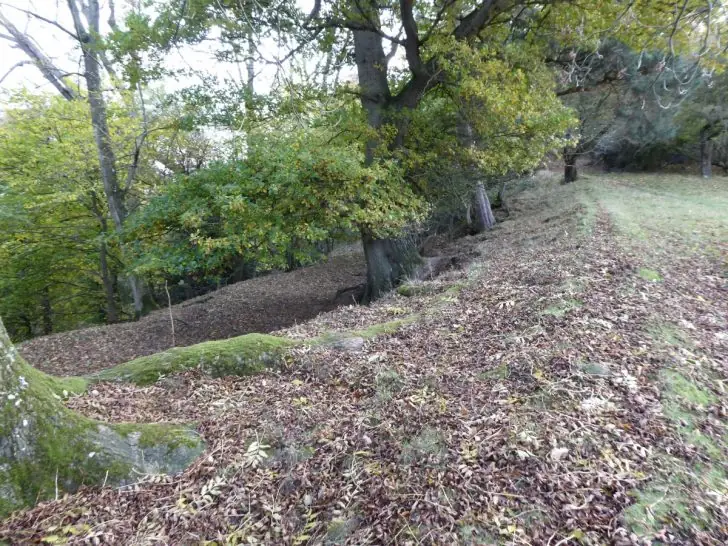
Nonetheless, its impressive ramparts still stand today. And visitors can explore its various pathways and discover more about this fascinating period in history.
1. Ring of Brodgar, Orkney Islands
The Ring of Brodgar is an impressive Neolithic stone circle located on the remote Orkney Islands off the coast of Scotland. It consists of over 60 standing stones that have been constructed around 2500 BC. And were likely used as a site for religious ceremonies and rituals. Today, visitors can explore this remarkable structure and admire its sheer size. Above all, it measures almost 300 meters in diameter.
Thus, these seven lesser-known Prehistoric sites offer an exciting insight into Britain’s past – and, of course, provide unique experiences, both for history enthusiasts and casual visitors.